Newsletter Subscribe
Enter your email address below and subscribe to our newsletter

 ByJohn A
As temperatures climb across East Tennessee, the last thing any homeowner wants is an air conditioner that fails on the hottest day of the year. The good news is that most AC problems don’t happen without warning. Your system typically gives you clear signals that something is wrong — if you know what to look for. Catching these issues early can mean the difference between a simple repair and a costly emergency replacement.
This is the most obvious sign that something is wrong. If your AC is running but blowing warm or room-temperature air, the problem could be a refrigerant leak, a failing compressor, or a frozen evaporator coil. None of these issues resolve themselves — they require professional diagnosis and repair. Don’t ignore warm air output, especially as summer approaches.
A healthy air conditioner runs with a consistent, relatively quiet hum. If you’re hearing banging, rattling, squealing, or grinding sounds, your system is telling you something is mechanically wrong. Banging often indicates a loose or broken component inside the unit. Squealing can signal a worn belt or bearing. Grinding typically points to motor issues. Any of these sounds warrants an immediate inspection before the problem escalates.
If some rooms in your home feel significantly warmer than others, or if the airflow from your vents seems weaker than usual, you may have a ductwork issue, a clogged filter, or a failing blower motor. Inconsistent cooling is not just uncomfortable — it forces your system to work harder, driving up energy costs and accelerating wear on components.
A sudden spike in your electricity bill during cooling season is a strong indicator that your AC system is losing efficiency. This can happen when refrigerant levels drop, when coils become dirty, or when the system is simply aging and struggling to maintain set temperatures. Comparing your current bills to the same period last year is a useful benchmark. If costs have jumped significantly without a change in usage habits, it’s time for a professional evaluation.
Your AC should run in relatively consistent cycles — turning on, cooling the space to the set temperature, and then shutting off. If your system is turning on and off rapidly or running almost continuously without reaching the target temperature, something is wrong. Short-cycling is particularly damaging because it puts enormous stress on the compressor, which is the most expensive component in the system.
See also: Smart Family Wellness: Simple Health Habits Every Parent Should Follow
The best time to address AC problems is before the peak of summer, when HVAC technicians are at their busiest and wait times for service can stretch for days. Scheduling a pre-season inspection gives you the opportunity to identify and fix issues while the weather is still mild and service appointments are readily available.
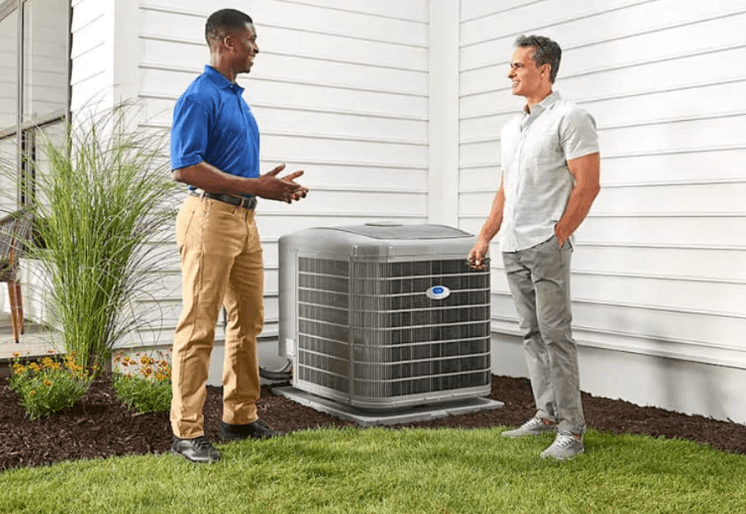
If you’ve noticed any of these warning signs, reaching out to a qualified technician is the smart move. Professional AC repair services in Athens TN can diagnose the root cause quickly, provide upfront pricing, and get your system back to peak performance before the heat arrives. A small repair today is almost always less expensive than an emergency call in July.
Beyond reactive repairs, the most effective way to avoid summer AC failures is a consistent preventive maintenance routine. Annual tune-ups — ideally scheduled in the spring — include cleaning coils, checking refrigerant levels, testing electrical components, and lubricating moving parts. Homes on a maintenance plan experience fewer breakdowns, lower energy bills, and longer equipment lifespans.
Don’t let a preventable problem turn into a summer emergency. Pay attention to the warning signs, act early, and keep your home cool and comfortable all season long.