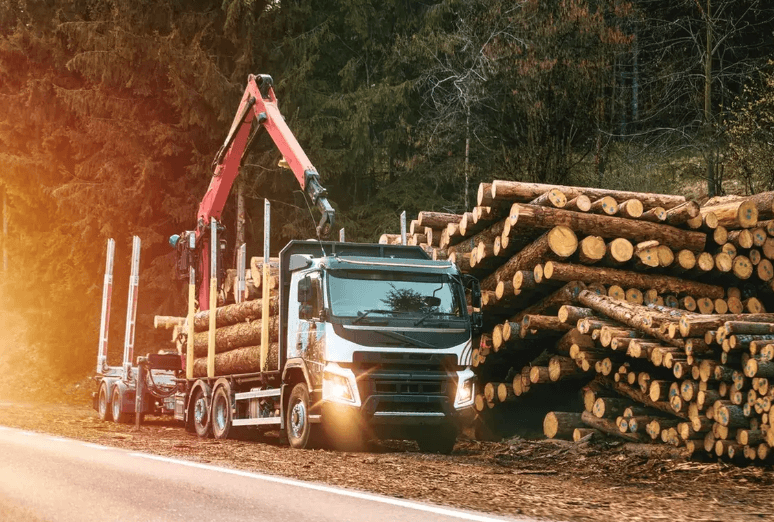

If you work with timber, a log loader trailer can cut manual labor, speed up loading, and let you haul longer or heavier logs without lifting them by hand. A log loader trailer pairs a towable chassis with a powered crane or grapple so you can load, transport, and unload logs from remote or confined sites with one self-contained unit.
You’ll find models built for ATVs, tractors, trucks, and off-road conditions, with choices that emphasize maneuverability, independent power, and heavy-duty components for tough forest work. This article walks you through the key design features, common applications, and the purchasing considerations that help match a trailer to your terrain, equipment, and workload.
Design Features
You will find details on structural strength, load handling, lifting power, and safety systems that determine real-world performance and longevity. Each subtopic explains practical aspects you should check when selecting or operating a log loader trailer.
Frame Construction
You need a frame that resists twisting when you load uneven logs and absorb shock on rough trails. Look for welded high-tensile steel main beams with reinforced crossmembers and gusset plates at high-stress junctions; these elements reduce flex and concentrate weld strength where forks, bunks, and the loader mount connect.
Pay attention to mounting patterns: a bolted loader subframe with multiple anchor points lets you service or replace the loader without cutting the main chassis. Corrosion protection matters — hot-dip galvanizing or industrial epoxy coatings extend service life if you work in wet or salty environments.
Check suspension integration. Frames designed for tandem axles or heavy-duty leaf/air suspensions distribute weight evenly and reduce frame fatigue. Measure clearances and deck height to match your terrain and loading practices.
Weight Capacity and Load Distribution
You must match the trailer’s rated payload to your typical log sizes and terrain to avoid overloading. Manufacturers provide Gross Vehicle Weight Rating (GVWR) and payload; verify both against the combined weight of loader, hydraulic unit, and maximum log load.
Load distribution depends on bunk placement and axle spacing. Position the heaviest logs between axles to minimize tongue weight swings. Many designs use adjustable bunk stops or sliding bolster systems so you can shift the center of gravity forward or aft for different log lengths.
Factor in dynamic loads. When loading on slopes or uneven ground, inertia and leverage increase forces on the frame and hitch. Select trailers with higher safety margins (typically 20–30% above expected loads) and confirm axle ratings, tire load index, and braking capacity match your payload expectations.
Hydraulic Lifting Systems
Hydraulics provide the lifting and grappling power; the pump capacity and cylinder sizing determine cycle speed and maximum lift. Look for independent power units with diesel or gasoline engines on self-contained trailers, or high-flow PTO-compatible pumps if you run off a tractor.
Key specs include pump flow (L/min or GPM), system pressure (bar or PSI), and cylinder bore/rod dimensions. Higher flow improves speed but increases heat; larger cylinders increase lift force but slow retraction. Prioritize systems with pressure relief valves and thermal protection to prevent overheating and hydraulic failure.
Hydraulic routing and filtration also matter. Steel-braided hoses with proper sweep routing reduce abrasion; accessible return-line filters and large-capacity reservoirs make maintenance easier. Quick-connect couplers and clearly routed control lines speed hook-up and reduce operator errors.
Safety Enhancements
You should expect integrated features that reduce risk during loading, transport, and maintenance. Look for hydraulic stabilizer legs or outriggers to prevent tipping when the loader handles off-center logs. Locking pins and mechanical holds for boom and grapple positions provide redundant safety during service.
Braking and visibility options improve road safety. Electric-over-hydraulic or surge brakes rated to your GVWR, LED lighting, and conspicuity markings meet regulatory needs and improve visibility. Anti-slip surfaces on decks and foldable walkways prevent slips while you secure loads.
Load-securing hardware matters: rated chains, tensioners, and anchor points welded to reinforced sections keep logs from shifting. Safety interlocks that disable loader movement when stabilizers are not deployed reduce operator risk.
Applications and Purchasing Considerations
You will evaluate typical work environments, required attachments, and how the trailer’s mobility affects job efficiency and safety. Focus on load types, equipment matches, and road or off-road movement when choosing a model.
Industrial and Forestry Uses
You’ll find log loader trailers used for roundwood extraction, roadside loading, and short-haul delivery to mills or chipping sites. In forestry, prioritize trailers with reinforced frames, high-capacity bunks, and secure tie-down points to handle long, uneven timber and repeated loading cycles. For industrial or municipal work—storm cleanup, utility right-of-way clearing, or landscape contractors—look for models that accept varied log lengths and offer easy bed access for mechanical grapples or manual sorting.
Consider duty cycle and environment: frequent off-road use demands heavier axles, skid-resistant decking, and corrosion-resistant finishes. If you move processed material to paved destinations, weight distribution and compliance with highway regulations matter more than extreme off-road features.
See also: Save More on Business Class Flights to India Deals
Attachment Compatibility
Confirm crane and grapple mounting patterns, hydraulic flow and pressure requirements, and electrical connectors before buying. You want a trailer with standard pin locations or a manufacturer-provided adapter plate so your loader crane or timber grapple fits without costly modifications. Match hydraulic pump capacity and hose routing to the loader’s specs to avoid power loss or cavitation under load.
Check winch capacity, bunk spacing, and stake or bolster options for compatibility with your log diameters and load profiles. If you plan to swap between tractors, trucks, or ATVs, verify hitch type, PTO or auxiliary power interfaces, and coupling heights to maintain safe, efficient operation.
Transport and Maneuverability
Assess axle count, suspension type, and overall length to balance payload and roadability. Single-axle units offer tight turning and lighter weight for small jobs, while tandem or tri-axle trailers provide stability and higher gross vehicle weight ratings for long, heavy logs. Choose spring or air-ride suspension based on comfort, load protection, and the terrain you traverse.
Consider steering axles or articulating drawbar options if you work in tight woodlots. Measure turning radius, loaded height, and legal width for highways in your jurisdiction. Don’t forget braking systems: hydraulic surge, electric-over-hydraulic, or full air brakes must match towing vehicle capability and local regulations for safe deceleration.