
Energy-efficient smart homes integrate design, systems, and behavior to minimize energy use while preserving comfort. Data drives retrofits by tracking annual consumption, peak demand, and envelope performance. Smart devices target habitual energy sinks with real-time monitoring, occupancy sensing, and adaptive controls that validate load reductions. Envelope, ventilation, and zoning strategies enable precise management and phased improvements. The approach yields measurable savings and lower emissions, but practical steps and decisions remain nuanced, inviting further, informed consideration.
What Makes a Home Energy-Efficient?
A home becomes energy-efficient when its design, systems, and operations minimize energy consumption while maintaining comfort. The evaluation relies on observable energy metrics, including annual consumption, peak demand, and envelope heat transfer.
retrofit budgeting informs prioritization, aligning cost, payback, and performance goals. Sustainable choices derive from data, not intuition, enabling controlled improvements and measurable, repeatable efficiency gains.
Smart Devices That Cut Power Without Sacrificing Comfort
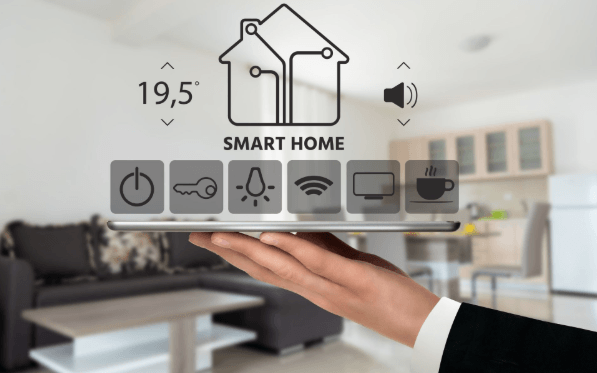
Smart devices can reduce power use without diminishing occupant comfort by targeting habitual energy sinks and optimizing operating schedules. Smart thermostats enable precise temperature management, while occupancy-based controls minimize idle climate draw. Energy monitoring tracks baseline consumption and validates power law load reduction outcomes. These tools empower users seeking freedom through measurable, data-driven efficiency without sacrificing convenience or comfort.
Designing for Efficiency: Insulation, Ventilation, and Zoning
Building energy efficiency hinges on the interplay between envelope performance, ventilation strategies, and space zoning.
The analysis compares insulation strategies, calculates heat loss, and evaluates airtightness against climate data.
Ventilation requirements are quantified to balance fresh air with minimal energy use.
Zoning for efficiency optimizes occupancy loads, while heat recovery systems recover latent heat, reducing operational costs and emissions.
How to Start Today: A Practical, Step-by-Step Plan
Starting today, a practical, step-by-step plan translates efficiency goals into measurable actions: assess current energy use, prioritize interventions with the highest impact, and implement a phased timeline that aligns with budget, climate, and occupancy patterns. The approach relies on data from energy audits and actionable weatherization tips, outlining concrete milestones, success metrics, and disciplined progress reviews for independent, freedom-focused households seeking tangible gains.
See also: Emotional AI: Can Machines Feel?
Frequently Asked Questions
How Can Smart Homes Balance Privacy With Energy Monitoring?
Smart homes balance privacy with energy monitoring by prioritizing privacy tradeoffs and data minimization, adopting transparent data practices, and using on-device processing. This data-driven approach offers pragmatic control, preserving freedom while enabling efficient energy decisions and user trust.
What Are the Hidden Energy Costs of Smart Devices?
The average smart device consumes about 5–10% of household electricity, revealing hidden energy costs. In addition, device depreciation reduces value over time as energy efficiency gains may not fully offset initial investments.
Do Energy-Saving Measures Affect Indoor Air Quality?
Yes, energy-saving measures can affect indoor air quality, with air quality tradeoffs depending on ventilation and filtration. A data-driven assessment shows nuanced ventilation impact: tighter buildings may improve certain pollutants but risk reduced outdoor air exchange, influencing overall IAQ.
Which Financing Options Maximize ROI for Retrofits?
The ledger’s key, a beacon: financing ROI, retrofit incentives, guides decisions toward highest payback. In practice, targeted loans and state incentives maximize ROI for retrofits, while performance-based rebates optimize cash flow and long-term freedom from rising energy costs.
How Reliable Are DIY Energy Audits Compared to Professionals?
DIY energy audits show variable accuracy; audit accuracy often trails professional comparison due to equipment and method gaps. When results align with professional comparison, homeowners gain actionable insights; otherwise, follow-up with a certified energy auditor is advised for reliability.
Conclusion
In this house, energy is a patient tutor. Its daily vitals—consumption, peaks, envelope integrity—are tracked like a careful physician noting symptoms. Smart devices act as vigilant apprentices, trimming waste without dampening comfort. Insulation, ventilation, and zoning form a sturdy, breathable skeleton, guiding each room’s needs with measured precision. The plan, though simple, unfolds like a well-charted map: test, measure, adjust. By listening to the data, the home learns to live lean, reliably, and humanely.