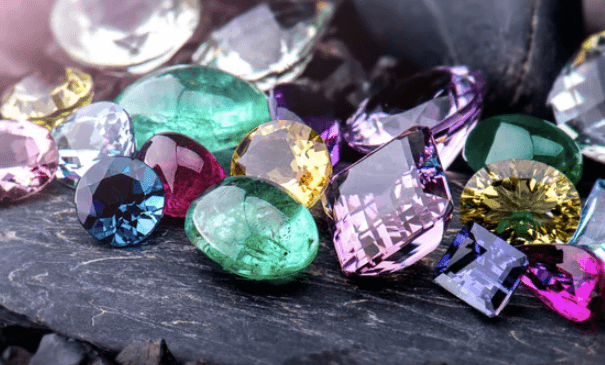

Lab-created gemstones have become a major topic of discussion in the jewelry world, with many buyers questioning whether they truly offer the same value as natural stones. As technology advances and consumer priorities shift toward affordability and sustainability, lab-made gems are gaining widespread acceptance. Among these, lab grown alexandrite stands out as a particularly compelling example due to its rarity in nature and striking visual properties. Understanding the pros and limitations of lab-created stones can help determine whether they are the right choice for you.
What Are Lab-Created Gemstones?
Lab-created gemstones are produced in controlled environments using processes that replicate the natural conditions under which stones form. These gems are not imitations; they share the same chemical composition, physical structure, and optical qualities as their natural counterparts. This means that lab grown alexandrite exhibits the same remarkable color-changing effect as mined alexandrite, shifting hues depending on the lighting conditions.
The primary difference between lab-created and natural stones lies in their origin. Natural gemstones take millions of years to form underground, while lab-created versions can be produced in a matter of weeks. This difference significantly affects their price, availability, and perceived value.
The Appeal of Affordability
One of the strongest arguments in favor of lab-created stones is their affordability. Natural gemstones, especially rare varieties like alexandrite, can be extremely expensive due to limited supply. In contrast, lab grown alexandrite is far more accessible, allowing buyers to obtain a visually stunning gemstone without the high cost.
This price advantage also enables consumers to choose larger stones or higher-quality cuts within their budget. For many people, this makes lab-created options a practical and appealing alternative, particularly when purchasing jewelry for everyday wear or special occasions.
Quality and Visual Performance
Lab-created gemstones are known for their consistency and clarity. Because they are produced in controlled conditions, they often have fewer inclusions and imperfections compared to natural stones. This results in a cleaner, more polished appearance.
In the case of lab grown alexandrite, the quality of the color change is a defining feature. High-quality stones display a vivid and noticeable transition between colors, enhancing their overall appeal. The ability to achieve consistent results in a laboratory setting ensures that buyers can find stones that meet specific quality standards without extensive searching.
Ethical and Environmental Benefits
Ethical considerations have become increasingly important in the jewelry market. Traditional gemstone mining can have significant environmental and social impacts, including habitat destruction and labor concerns. Lab-created stones offer a more responsible alternative.
Choosing lab grown alexandrite eliminates the need for mining, reducing environmental damage and ensuring that the gemstone is produced under controlled and ethical conditions. For consumers who prioritize sustainability, this is a major advantage that adds to the overall value of lab-created stones.
Durability and Practical Use
Durability is a key factor when evaluating any gemstone, especially for pieces intended for regular wear. Most lab-created stones are just as durable as their natural counterparts, making them suitable for rings, necklaces, and other jewelry.
Lab grown alexandrite is known for its excellent hardness and resistance to wear, making it a practical choice for everyday use. This durability ensures that the stone retains its beauty over time, further supporting its value as a long-term investment in personal style.
Market Perception and Resale Value
Despite their many advantages, lab-created gemstones are sometimes viewed differently in terms of long-term value. Natural stones often hold or increase their value due to their rarity, while lab-created stones are more abundant and may not appreciate in the same way.
However, lab grown alexandrite still maintains strong appeal due to its unique optical properties and increasing popularity. For many buyers, the immediate benefits of affordability, quality, and ethical sourcing outweigh concerns about resale value. The perception of value is gradually shifting as more consumers embrace lab-created options.
See also: Crypto Exchange Security Features
Versatility and Design Potential
Lab-created gemstones offer greater flexibility in design and customization. Because they can be produced in various sizes and shapes, they provide more options for creating unique jewelry pieces.
Lab grown alexandrite is particularly versatile, as its color-changing effect adds a dynamic element to any design. Whether used in minimalist settings or elaborate designs, it creates a distinctive look that stands out from more traditional gemstones. This versatility enhances its appeal for modern consumers seeking individuality.
The Final Verdict
Determining whether lab-created stones are worth it ultimately depends on your priorities. If you value affordability, ethical sourcing, and consistent quality, they offer significant advantages over natural gemstones. If long-term investment and rarity are your primary concerns, natural stones may still hold greater appeal.
For many buyers, lab grown alexandrite represents the best of both worlds. It combines the beauty and uniqueness of a rare gemstone with the practicality and accessibility of modern technology. As consumer preferences continue to evolve, lab-created stones are becoming an increasingly viable and attractive option.
Conclusion
Lab-created gemstones have redefined what it means to own high-quality jewelry. They provide a balance of beauty, affordability, and ethical responsibility that aligns with modern values. While they may not completely replace natural stones, they offer a compelling alternative for today’s buyers.
With its striking color-changing properties and growing popularity, lab grown alexandrite stands as a prime example of the potential of lab-created gemstones. For those seeking a unique, sustainable, and cost-effective option, it is clear that lab-created stones are more than worth considering.