Newsletter Subscribe
Enter your email address below and subscribe to our newsletter

 ByJohn A
Sports have always been an important part of human life. From children playing football in a neighborhood park to professional athletes competing in international tournaments, sports bring people together in many different ways. They provide entertainment, encourage physical activity, develop important personal qualities, and create a sense of community.
For some people, sports are simply a way to spend free time. For others, they become a career or a lifelong passion. Regardless of the level of participation, being involved in sports can have a positive influence on both individuals and society.
One of the most obvious benefits of sports is physical fitness. Regular physical activity helps the body remain strong and active. Running, swimming, cycling, football, basketball, tennis, and many other sports involve movement that can improve endurance, strength, balance, and coordination.
People who participate in sports regularly are often more aware of the importance of maintaining an active lifestyle. Even a simple game with friends can be better than spending an entire afternoon sitting indoors.
Sports can also help people develop healthy habits at an early age. Children who enjoy physical activities may be more likely to continue exercising as they grow older. This can make an active lifestyle feel like a normal part of life rather than a difficult responsibility.
The benefits of sports are not limited to the body. Physical activity can also provide a valuable mental break from everyday pressures.
Students may feel stressed because of schoolwork, while adults often have responsibilities related to jobs, families, and finances. Spending time playing a sport can provide an opportunity to focus on something completely different.
Sports also teach people how to deal with pressure. A player may miss an important shot, lose a match, or make a mistake during a game. Learning to recover and continue trying is an important life skill.
For this reason, sports can help develop confidence and emotional resilience. Winning can be exciting, but learning how to respond to disappointment can be equally valuable.
Team sports provide an excellent lesson in cooperation. A football team, for example, cannot depend entirely on one player. Each person has a role, and success often depends on how well the players work together.
This teaches participants to communicate, trust others, and understand different responsibilities. These skills can later become useful in school, university, and professional environments.
Teamwork also teaches people that individual success and group success are often connected. A player may be talented, but talent alone cannot replace cooperation.
Even sports that are usually considered individual activities can involve teamwork. Tennis players may work with coaches, swimmers may train with teammates, and athletes often depend on trainers and support staff.
Becoming good at a sport requires practice. Natural talent can help, but consistent effort is usually what produces long-term improvement.
An athlete who wants to improve may need to attend training sessions regularly, follow a routine, take care of their body, and remain focused even when progress is slow.
This creates discipline. Athletes learn that results do not always appear immediately. Sometimes months of practice are necessary before a noticeable improvement becomes visible.
The same lesson applies outside sports. Whether someone is learning a language, building a career, or developing a business, progress often comes from small efforts repeated over time.
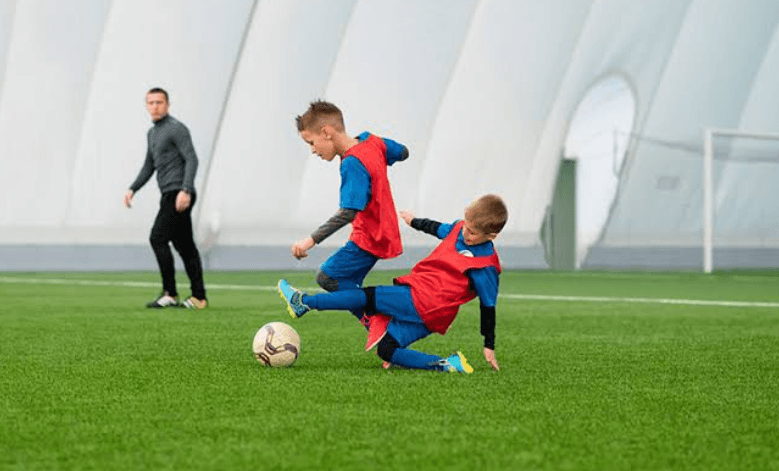
Sports can play an especially important role in childhood. Playing games gives children a chance to move, make friends, and learn how to interact with others.
Through sports, children can learn how to follow rules and understand the idea of fair competition. They also discover that winning is not guaranteed and that losing is not the end of the world.
Parents and coaches have an important responsibility in this area. Children should be encouraged to enjoy the activity rather than feeling that every game must result in victory.
A child who learns to enjoy practice, teamwork, and improvement may develop a healthier relationship with competition.
Sports have a unique ability to connect people. Fans who have never met can become friends because they support the same team. Large sporting events can bring together people from different cultures, languages, and backgrounds.
International competitions demonstrate this particularly well. Athletes may compete fiercely during a match, but the event can also create opportunities for cultural exchange and mutual respect.
At a local level, sports can strengthen communities as well. Neighborhood tournaments, school competitions, and amateur clubs give people opportunities to meet and participate in something together.
The only way out of the labyrinth of suffering is to forgive. The past is never dead. It’s not even past. To be, or not to be, that is the question.
For a small number of people, sports become a profession. Professional athletes can earn a living through competitions, sponsorships, coaching, appearances, and other opportunities.
However, a career in professional sports requires significant dedication. Athletes may spend years training before reaching the highest level, and competition for professional opportunities can be intense.
There are also many careers connected to sports that do not involve being an athlete. Coaches, referees, fitness trainers, sports journalists, physiotherapists, photographers, event managers, and sports marketers all contribute to the sporting industry.
This shows that the world of sports is much larger than what happens on the playing field.
Technology has changed sports significantly. Modern athletes have access to equipment and training methods that were not available to previous generations.
Video analysis allows coaches and players to study performances in detail. Wearable devices can provide information about movement and physical performance. Improved broadcasting technology allows fans to watch competitions from almost anywhere.
Technology has also changed how matches are judged. In some sports, video review systems can help officials make difficult decisions.
Although technology can improve accuracy and performance, it also creates debates about how much technology should influence competition. Finding the right balance between human judgment and technological assistance remains an important discussion.
Competition is one of the most exciting parts of sports, but winning should not come at any cost. Fair play is essential to maintaining trust in competition.
Athletes are expected to follow the rules and respect opponents, officials, teammates, and coaches. Cheating or using prohibited methods can damage not only an individual’s reputation but also the credibility of the sport itself.
Respect is particularly important when emotions become intense. A close match can create frustration, but learning to remain respectful during difficult moments is one of the valuable lessons sports can teach.
Although sports offer many benefits, balance is important. Training too much without proper rest can lead to exhaustion and injuries. Young athletes, in particular, need enough time for education, family, friendships, and relaxation.
The goal should not always be to become the strongest or fastest person. For many people, the greatest benefit of sports is simply becoming healthier, more confident, and more connected with others.
Even people who do not consider themselves athletic can find an activity they enjoy. Walking, cycling, swimming, dancing, recreational games, and other forms of movement can all provide benefits.
See also: The Power of Strategic Partnerships in Business
Sports are much more than competitions and trophies. They can improve physical fitness, support mental well-being, teach discipline, encourage teamwork, and bring communities together.
For children, sports can provide important lessons about cooperation and perseverance. For adults, they can offer an enjoyable way to stay active and reduce everyday stress. For professional athletes, sports can become a demanding but rewarding career.
Perhaps the greatest value of sports is that they teach people how to keep moving forward. There will be victories and defeats, good performances and disappointing ones. What matters is the willingness to learn, improve, respect others, and continue participating.
Whether someone plays professionally or simply enjoys a weekend game with friends, sports can add energy, connection, and purpose to everyday life.